
Academic Applications
Use Monterey Phoenix in Your Classroom
We are planning 2027 collaborations with a limited number of faculty who want to explore how students can model the systems, processes, and decisions at the heart of their course.
Case studies show the paths taken. Monterey Phoenix maps every path the rules of a system or decision permit — the ones not taken and the ones still ahead.
What Students Gain
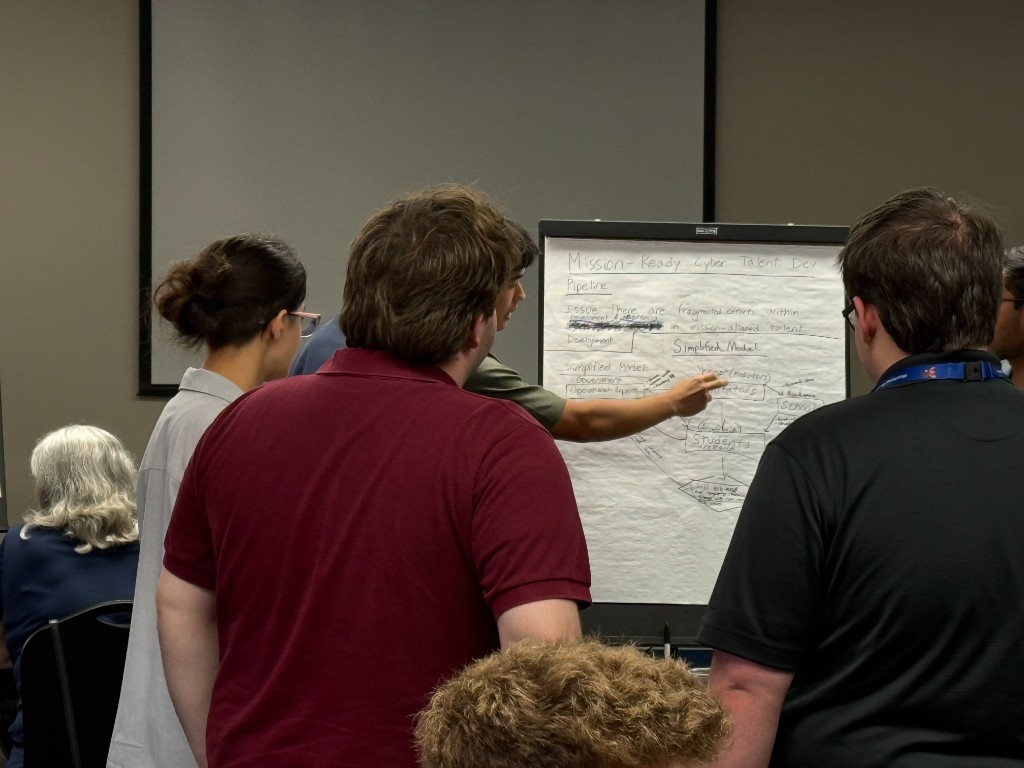
- Seeing every path their rules permit. Students lay out the decision points in a system, process, or scenario, and inspect every path their rules permit, up to a set limit called "scope."
- Challenging their own assumptions. Students see where modeled outcomes diverge from intentions, and move beyond asking "how did that happen?" to "under what conditions could that happen?"
- Matching each job to the right tool. Students consider what work should be done by a person and what work can be done by a machine, then split the machine work between AI (which samples possibilities) and exhaustive computational tools (which find combinations that sampling can miss).
- Contributing from their strengths. In mixed teams, technical students gravitate toward codifying the rules and non-technical students gravitate toward interpreting the results.
Tell Us What Your Course Needs
What collaborators receive
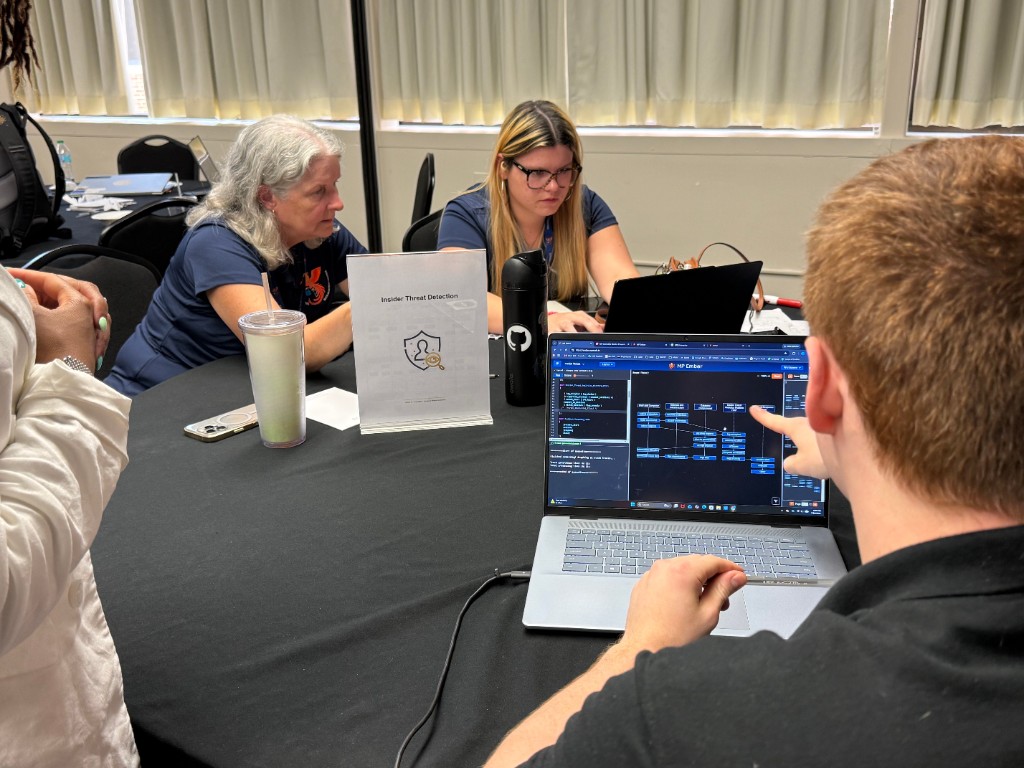
Access to MP Ember™ as it becomes available for academic use, and a direct voice in shaping the instructor materials we develop.
What we ask
Honest feedback on what your course needs and how the tool works in your classroom. We'll share collaboration terms once we've confirmed a fit.
Faculty collaborators must be teaching a credit-bearing course at an accredited institution. We select collaborators based on course fit and available capacity.
Classroom Collaborations
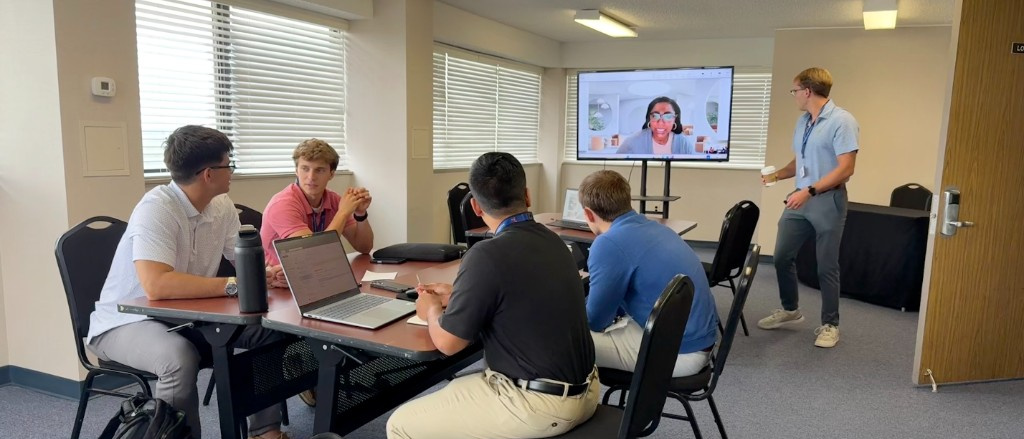
These are the formats we're exploring. Your input will help us decide which to develop first.
Our Point of View
We believe students learn the most about a subject when they go beyond the paths that did happen to explore the ones that could happen under alternate conditions.
Students build that habit by practicing matching each job to the right tool:
- exhaustive computation to show every permitted path up to a set scope
- AI in an assistant role
- their own judgment to confirm that results match intent
Our classroom collaborations are designed around that practice.
Across the Curriculum
Cybersecurity
Students explore how legitimate users, systems, and processes could behave in unexpected ways under different conditions.
Track Record
Faculty already use Monterey Phoenix in for-credit courses, from cyber ethics and cybercrime to senior design capstones and peer instruction.
Monterey Phoenix was developed at the Naval Postgraduate School and has been refined there since 2010. Its research base includes best paper awards, chapters in five edited textbooks, and more than 30 master's theses and doctoral dissertations.
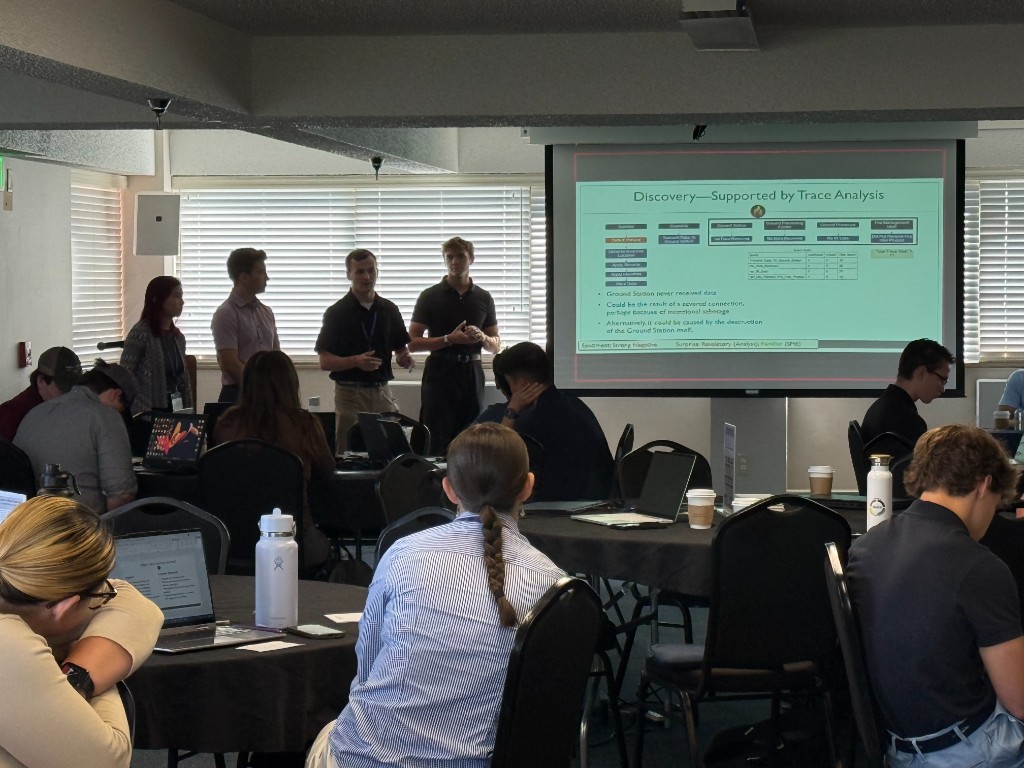
Student work with Monterey Phoenix, from high school to graduate level, spans subjects such as emergency responder decisions, supply chains during COVID-19, nuclear power stations, unmanned systems, and naloxone administration. An annual summer internship has run since 2020, drawing students from across all six Senior Military Colleges.
Our classroom collaborations are built around MP Ember™, Firelight Logic's platform for Monterey Phoenix modeling. We built it to be dependable in the classroom and in professional analysis, and to keep improving with input from those who use it.
Tell us about your course and help define what comes next.