

How Organizations Work with Firelight Logic
Organizations engage Firelight Logic when they need a clearer understanding of how a system behaves—especially in environments where outcomes are shaped by interactions that aren’t fully visible.
The starting point is always the same:
A real system, a real question, or a real concern.
From there, the work is structured based on:
- the level of sensitivity
- the scope of what needs to be explored
- and how the organization prefers to engage
The work uses a methodology called Emergeneering™—a structured way of understanding and shaping how complex systems behave when all of their parts interact in real conditions.
The starting point is always the same:
A real system, a real question, or a real concern.
From there, the work is structured based on:
- the level of sensitivity
- the scope of what needs to be explored
- and how the organization prefers to engage
The work uses a methodology called Emergeneering™—a structured way of understanding and shaping how complex systems behave when all of their parts interact in real conditions.
Ways to engage
Structured Engagements
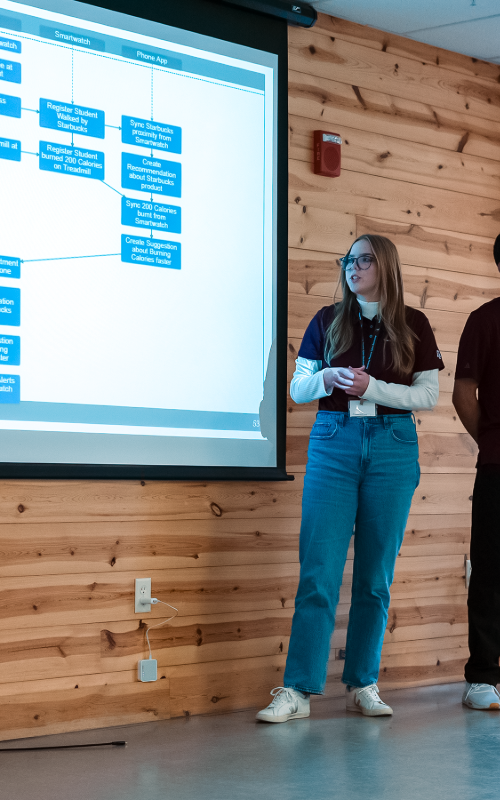
Organizations can bring a system, question, or concern into a guided engagement where it is explored through scenario-based modeling.
Within this work:
- trained analysts build and run behavior models based on the system being examined
- multiple scenario variants are generated to explore how the system behaves under different conditions
- interactions, edge cases, and outcomes that are not immediately visible are surfaced
This work is carried out through workshops, bootcamps, or extended engagements, depending on the scope and timeframe.
This path is a strong fit when:
- there is a need to better understand how a system behaves beyond current assumptions
- the organization is open to having that system explored through this type of modeling process collaboratively
- and there is value in examining a range of possible conditions and outcomes
Focused & Private Engagements
Some systems require a more contained approach.
In these cases, the work is done directly and privately, with a defined scope.
This includes:
- modeling a specific system, process, or concern
- exploring targeted scenarios and decision logic
- surfacing behaviors and interactions within a controlled environment
This path is a strong fit when:
- the system or context cannot be adapted using open source examples
- proprietary details are involved
- or the organization needs focused insight on a sensitive issue


Building Internal Capability
Organizations that want to use this capability on an ongoing basis can bring it inside their own teams.
This includes:
- training individuals or teams in the modeling method
- learning how to apply it to internal systems
- using the approach independently over time
This path is a strong fit when:
- there is an ongoing need to explore system behavior
- internal teams will benefit from using the method directly
- and the organization wants to build this capability internally
Choosing where to start
The right starting point depends on the system, the constraints around it, and what needs to be understood.
Some organizations begin with a structured program.
Others start with a focused engagement around a specific concern.
Others look to build internal capability from the outset.
The method remains the same.
The entry point is determined by what the situation calls for.
How the work is carried out
The modeling and analysis are supported by trained analysts who:
- build and run scenarios through possible decision points
- explore how the system behaves under different conditions
- surface interactions and outcomes that are not immediately visible
This allows for a level of depth and range that is difficult to achieve through internal effort alone.
In some cases, organizations continue working with analysts beyond an initial engagement, depending on their needs.

About the analyst and training layer
The analysts supporting this work are trained in applying the Monterey Phoenix modeling framework through Firelight Logic’s programs.
These programs serve two roles:
- they develop individuals who can apply this method in real-world environments
- and they create a growing pipeline of analysts who contribute to the work
For organizations, this means:
- greater depth of analysis
- broader exploration of scenarios and decision points
- and access to a capability that is not widely available
Start with your system
If you are responsible for a system where unseen behavior can create real consequences, the first step is to bring that system or concern into focus.
From there, we determine the most appropriate way to engage based on your environment and
what needs to be understood.